St Johns council rules for bulky rubbish Lewisham Council guide
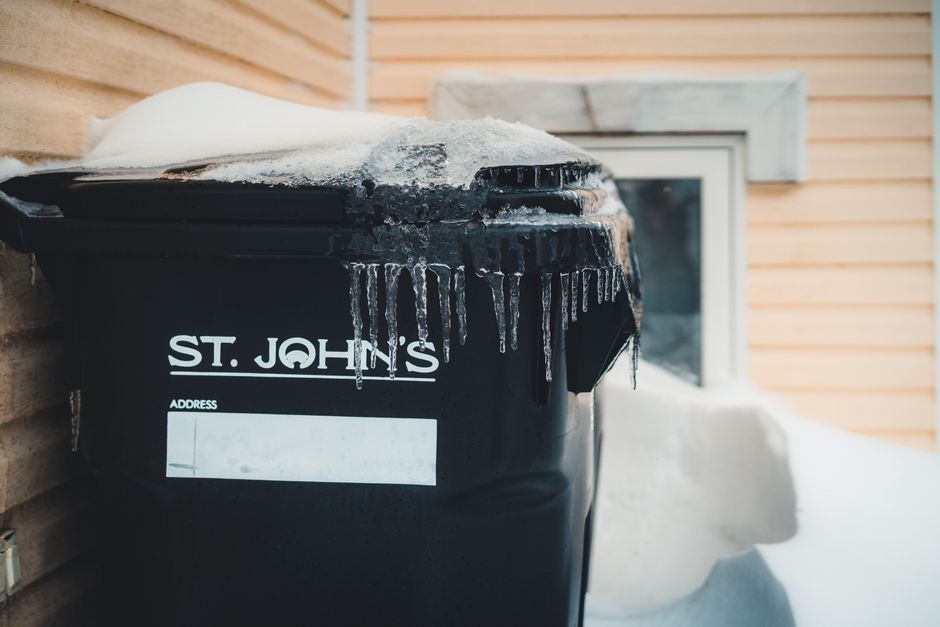
If you live in St Johns and need to get rid of a sofa, mattress, broken wardrobe, or a pile of old household items, the rules can feel a bit murky at first. That is exactly where this St Johns council rules for bulky rubbish Lewisham Council guide helps. It breaks down the practical side of bulky waste in plain English: what usually counts as bulky rubbish, how council collection options tend to work, what to check before you book, and when a private clearance service may be the calmer, quicker choice.
Truth be told, bulky rubbish is one of those jobs that looks simple until it is sitting by the front door, blocking the hallway, and you realise the lift is too small and the item will not fit through the stairwell. We have all seen that moment. The good news is that with a bit of planning, you can avoid delays, extra charges, missed collections, and the classic "we put it out, but they would not take it" headache.
This guide is written for people in St Johns and the wider Lewisham area who want a sensible, reliable way to deal with large unwanted items without guesswork.
- Why the rules matter
- How bulky rubbish collection works
- Key benefits and practical advantages
- Who this is for
- Step-by-step guidance
- Expert tips for better results
- Common mistakes to avoid
- Tools, resources and recommendations
- Law, compliance, standards, or best practice
- Options and comparison table
- Case study or real-world example
- Practical checklist
- Conclusion
- Frequently asked questions
Why St Johns council rules for bulky rubbish Lewisham Council guide Matters
Bulky rubbish is not the same as a normal bin bag, and councils usually treat it differently for good reason. Large items take more space, need more labour to move, and often involve special handling depending on what they are made of. A mattress is not a broken chair, and a fridge is certainly not the same as a wooden bedside table. That sounds obvious, but in real life people mix them up all the time.
In St Johns, the local context matters because access can be tight. Some streets have limited parking, shared entrances, flats above shops, stair-only access, and the sort of kerb space that disappears by 8 a.m. If you are trying to organise bulky waste without understanding the rules, you can end up with missed collections or items left out too early, which is never ideal. One cold morning, one damp sofa, and suddenly the whole week feels slightly more stressful than it needed to be.
The council approach matters because it usually sets expectations around what can be collected, how items should be presented, and what cannot be included. It also helps you decide whether a council pickup is the best fit or whether you need another route, such as a private clearance service. That decision is not just about speed. It is about access, item type, volume, and how much lifting you want to do yourself. Let's face it, some jobs are better handled once and properly.
There is also an environmental side. Bulky waste often contains reusable or recyclable material. Responsible disposal can reduce the amount sent to landfill and improve sorting. If you are trying to clear a property with a bit of care, it helps to think beyond simply "get rid of it" and ask "where should it go?" That small shift makes a real difference.
Practical takeaway: the more clearly you understand bulky rubbish rules before collection day, the less likely you are to face delays, refusal, or avoidable extra work. A little preparation goes a long way.
How St Johns council rules for bulky rubbish Lewisham Council guide Works
At a practical level, bulky rubbish collection usually follows a few broad steps. Exact arrangements can change, so always check the current local process before you rely on it, but the shape of things is usually familiar.
What counts as bulky rubbish?
Bulky rubbish generally means items that are too large for normal household bins. Think of furniture, mattresses, wardrobes, tables, shelving, white goods, and similar items. Some services also accept smaller bundles of large household junk, provided they meet size and weight rules. The important point is that "bulky" is about more than just inconvenience. It often means something that needs two people to move, or something that simply will not fit in standard bin collection.
In practice, councils and clearance providers often separate items into categories such as furniture, appliances, garden waste, electricals, and mixed household bulky waste. That matters because different categories may have different handling requirements. A garden bench, a broken appliance, and a chest of drawers may all be "bulky," but they are not necessarily processed the same way.
How collection requests are usually handled
Most services ask you to describe the item, the quantity, and the collection address. Some require photos. That is not fussy for the sake of it; it helps the provider understand whether they can lift, carry, and load the items safely. If you have ever tried to move a heavy wardrobe through a narrow hallway, you will know why this matters.
Collection methods typically depend on where the items are placed. You may be asked to leave items outside by the boundary, at a designated point, or in another agreed area. Items left in the wrong place can cause delays. In blocks of flats, this can become even more important because fire exits, communal corridors, and shared entryways need to stay clear.
What usually affects the service
- Item type: furniture, mattresses, appliances, mixed rubbish, and specialist waste may be treated differently.
- Volume: a single armchair is a very different job from clearing a full flat.
- Access: stairs, parking distance, and restricted entry can affect the process.
- Preparation: disassembling items where possible often makes collection easier.
- Safety: sharp edges, heavy loads, and electrical items may need extra care.
If you need to clear more than just one or two items, it may be worth comparing a council-style collection with a fuller home clearance option. For people dealing with a flat, loft, or garage that has quietly filled up over months, a broader service can be more efficient than several separate trips. You can see the kind of support available through options like house clearance, flat clearance, or garage clearance when the job is bigger than one collection.
Key Benefits and Practical Advantages
Understanding the rules is not just about avoiding trouble. It can actually make the whole process easier, cheaper, and less stressful. There is a real practical advantage to knowing what your options are before you start moving furniture around on a Sunday afternoon.
1. You save time
When you know what can be collected and how it should be prepared, you do not waste time rebooking or arguing with yourself about whether the old armchair will "probably be fine." Usually, if you have to guess, you are already behind.
2. You reduce the chance of refusal
Refused items are frustrating. It is often not about stubbornness; it is about wrong item type, poor presentation, or unsafe placement. Clear guidance helps you avoid that awkward moment where the collection van turns up and leaves the item exactly where it was.
3. You stay on the right side of local expectations
Bulky waste often comes with placement and sorting rules that are there for safety, access, and service efficiency. Following them shows respect for shared spaces and helps keep streets tidy. Small thing, big difference.
4. You can compare council and private options fairly
Once you know the council route, you can judge whether a private clearance service is worth paying for. That is important because price is only one part of the story. Speed, access, lift assistance, and item type all matter too. If you need quick turnaround, services such as waste removal or more item-specific options like furniture disposal can sometimes be the more practical choice.
5. You protect your property and shared areas
Bulky items dragged down stairs or squeezed through doorways can damage walls, flooring, and bannisters. Planning the removal properly helps protect both the property and your sanity. And honestly, nobody wants to patch paint because a wardrobe corner had a bad day.
Who This Is For and When It Makes Sense
This guide is useful for anyone in St Johns who has one or more large items to dispose of, but certain situations come up again and again.
- Tenants moving out: beds, broken storage, old chairs, and leftover items need clearing fast.
- Homeowners decluttering: the spare room or garage has become a storage museum.
- Landlords and agents: furniture and abandoned belongings may need removing between lets.
- Families replacing items: a new mattress, sofa, or appliance often means the old one has to go.
- Business owners: office or shop fixtures, packaging, and old furniture may need safe disposal.
It also makes sense when an item is physically awkward, not just large. A sofa with a damaged frame, a fridge that is far too heavy to carry alone, or a wardrobe that has to come apart before it can move through the hallway can all turn into a half-day job if you are not prepared. Sometimes the real problem is not the waste itself. It is the stairs, the doorway, or the fact that two people are not quite enough.
If you are dealing with a commercial premises or a mixed-use property, it may be worth looking at business waste removal or office clearance rather than treating everything as domestic bulky waste. That distinction matters more than people realise.
Step-by-Step Guidance
Here is a straightforward way to approach bulky rubbish in St Johns without making the process harder than it needs to be.
- List the items clearly. Write down exactly what needs to go. Count pieces. Be specific. "Old stuff" is not useful to anyone.
- Separate by type. Group furniture, electrical items, mattresses, and garden waste separately if possible.
- Check condition and weight. Anything waterlogged, broken into sharp pieces, or unusually heavy needs extra attention.
- Measure large items. Doorways, stair turns, lift size, and vehicle access matter. A tape measure saves a lot of guessing.
- Decide whether dismantling helps. Remove drawers, legs, cushions, and loose parts if it makes handling easier.
- Choose the right route. Compare council collection rules with a private clearance option if you need speed or extra lifting support.
- Prepare the collection point. Keep items accessible, safe, and away from fire exits or communal walkways.
- Confirm the timing. Put the collection date in your calendar and plan around parking or access restrictions.
- Do a final sweep. Check for small items tucked inside furniture. People forget keys, remote controls, and paperwork all the time.
A useful habit is to take a quick photo of the items before collection. That gives you a record of what was set out and can help if there is any confusion later. Not glamorous, admittedly, but very practical.
If you are planning to clear more than one room, you may also want to think about broader clearance services. For example, a loft that has collected decades of boxes may be better handled through loft clearance, while a full house refresh may suit home clearance. Sometimes the wider view saves time.
Expert Tips for Better Results
These are the little things that make bulky waste removal smoother. They are not flashy, but they do the job.
Tip 1: Think about access before you think about lifting
It is easy to focus on the item and forget the route. Measure the narrowest point, not the widest. Hallway corners, stair bends, and doors that open inward can all catch you out. We have all seen the sofa that looked easy until it met the staircase.
Tip 2: Avoid overfilling a collection request
If a service is set up for a small number of bulky items, trying to sneak in extra bags or mixed rubbish may create problems. Better to be honest upfront. It saves everyone a bad mood.
Tip 3: Separate reusable items where possible
Not everything needs to be treated as rubbish. A solid table, usable shelving, or a working appliance may have a second life elsewhere. Where reuse is possible, it is usually worth considering. That is where services focused on reuse and responsible sorting can be especially helpful, such as recycling and sustainability.
Tip 4: Keep hazardous items out of general bulky waste
Certain items need special handling, including some chemicals, sharp materials, and contaminated goods. If you are unsure, do not assume it is fine. Check first. That small pause can prevent a bigger issue later.
Tip 5: Bundle the job sensibly
If you are replacing a sofa and a mattress at the same time, it may be more efficient to organise them together rather than in separate trips. Similar logic applies to rooms that are being cleared in stages. You want one clean pass if you can manage it.
And a small one, but worth saying: clear a path before collection day. It sounds obvious. Then you see the shoe pile, the umbrella stand, the bike, and the random box of cables. Suddenly obvious is not so obvious anymore.
Common Mistakes to Avoid
Most bulky waste problems come from a handful of predictable mistakes. Knowing them helps you sidestep the drama.
- Leaving items out too early: this can block access, create complaints, or look untidy.
- Mixing hazardous waste with household bulky items: not all waste can be collected together.
- Not checking access properly: a narrow path or locked gate can derail the whole plan.
- Guessing item eligibility: if you are unsure, verify before collection day.
- Forgetting about weight: an item that looks manageable can be much heavier than expected.
- Ignoring building rules: flats and managed properties often have their own collection requirements.
- Assuming every service includes labour: some services require you to bring items to a certain point, while others collect from inside.
One common real-world issue is the "it should be fine" approach. That phrase causes more trouble than people like to admit. If the item is oversized, in poor condition, or awkward to move, plan accordingly. A little realism saves a lot of strain.
Tools, Resources and Recommendations
You do not need specialist equipment to deal with bulky rubbish, but a few basic tools make the job safer and easier.
- Measuring tape: useful for doorways, hallways, and large items.
- Work gloves: helpful for lifting furniture, broken bits, and rough surfaces.
- Basic screwdriver or Allen keys: ideal for removing legs, doors, or shelves before moving items.
- Strong tape or reusable straps: useful for keeping parts together once dismantled.
- Phone camera: practical for item photos and quick records.
- Blanket or protective covering: can help protect floors during moving.
For people who are sorting through multiple types of unwanted items, a combined approach can be worth considering. For example, old furniture may be handled separately from a broken appliance, and garden waste may need a different route altogether. Services such as mattress and sofa disposal, fridge and appliance removal, or garden clearance may fit better than a single general collection if the load is mixed but structured.
If you are comparing providers, look at more than the headline price. Ask what is included, how access is handled, and whether the service is suited to your specific items. A transparent quote is worth more than a low number that grows later. Simple, really.
Law, Compliance, Standards, or Best Practice
Waste disposal in the UK should always be handled carefully, even when the job seems ordinary. Bulky waste can involve manual handling risks, shared access areas, and, in some cases, items that need special disposal routes. The general best practice is to keep waste secure, present it safely, and make sure it goes to an appropriate authorised destination.
For households, the biggest practical concerns are usually access, safety, and correct sorting. For businesses, there can be additional responsibilities around record-keeping, duty of care, and the need to use suitable waste services. If you are running a shop, office, or any other commercial site in or near St Johns, it pays to be more careful, not less.
There are also common-sense safety expectations. Do not block exits. Do not leave sharp or unstable items where people can trip. Do not move heavy items alone if they are likely to injure you. That is not being cautious for the sake of it; that is basic good practice.
Some items need special treatment rather than general bulky collection. This can include certain electricals, appliances with coolant, or items containing hazardous materials. Where that is the case, a specialist route is usually more appropriate. A service such as hazardous waste disposal may be relevant when the item is more complex than standard household rubbish.
If you want to stay on the safe side, the rule of thumb is simple: sort early, move carefully, and never assume a bulky item can go out just because it is inconvenient.
Options, Methods, or Comparison Table
Different situations call for different disposal methods. Here is a simple comparison to help you choose sensibly.
| Option | Best for | Pros | Trade-offs |
|---|---|---|---|
| Council-style bulky collection | One-off items or limited quantities | Familiar process, good for straightforward jobs | May involve set rules, limited dates, and preparation requirements |
| Private bulky waste removal | Faster turnaround or harder access | More flexible, often handles lifting | Usually costs more than a basic council option |
| Full house or flat clearance | Multiple rooms or larger declutter jobs | Efficient for bigger clear-outs, less back-and-forth | Can be more than you need for a single item |
| Specialist item disposal | Mattresses, appliances, or awkward materials | Better matched to the item type | May require separate booking or extra handling |
If you are just clearing a single chair, a general bulky collection might be fine. If you are emptying a loft, sorting a garage, and replacing half the furniture in one go, a more comprehensive approach is likely to save you time and stress. The right answer is rarely the fanciest one. It is the one that fits the job.
Case Study or Real-World Example
A typical St Johns scenario goes like this. A family is moving out of a flat near a busy road, and they need to clear a bed frame, a mattress, two bookcases, and an old sofa. At first they think they can do it themselves over two evenings. Then the sofa turns out to be too awkward to carry down the stairwell without taking the light fitting with it, and the bookcases wobble in the hallway like they are offended by the whole idea.
Instead of forcing it, they measure the access route, dismantle the bookcases, separate the mattress from the rest, and decide that the sofa needs a removal service that can handle lifting from inside the property. They keep the communal entrance clear, book the collection for a time when parking is more manageable, and take photos of the items beforehand. The result is boring in the best possible way: the rubbish goes, no one gets hurt, and the property is left tidy.
That is the real lesson. Most bulky rubbish jobs are not difficult because of the waste itself. They are difficult because of the logistics around it. Once you respect the logistics, the job usually becomes much smoother.
Practical Checklist
Use this checklist before you arrange bulky rubbish removal in St Johns.
- List every item clearly.
- Check whether any item needs special handling.
- Measure large pieces and access points.
- Decide whether dismantling will help.
- Separate reusable, recyclable, and general waste where possible.
- Confirm where items should be left for collection.
- Make sure communal areas, doors, and exits stay clear.
- Take quick photos of the items.
- Choose the most suitable collection method.
- Set a reminder for the collection day and time.
- Keep gloves, tools, and tape ready if needed.
- Do a final sweep for loose small items.
If the checklist already feels like a lot, that is usually a sign the job may be bigger than a simple one-off collection. Not a problem. It just means choosing the right service matters a bit more.
Conclusion
The smartest way to handle bulky rubbish in St Johns is to treat it like a small project rather than an afterthought. Know what the item is, understand the access, check the collection rules, and choose the method that suits the size of the job. That approach saves time, reduces risk, and usually leads to a cleaner, calmer result.
If you only remember one thing from this St Johns council rules for bulky rubbish Lewisham Council guide, let it be this: the best removal plan is the one that fits your item, your property, and your schedule. Do that well, and the rest tends to fall into place. And honestly, there is a quiet relief in seeing a room cleared properly. The space feels lighter. So do you.
Get a free quote today and see how much you can save.
When you are ready, choose the route that feels safest, simplest, and most practical for your home. That is usually the one you will be glad you picked.
Frequently Asked Questions
What counts as bulky rubbish in St Johns?
Bulky rubbish usually means large household items that do not fit in normal bins, such as furniture, mattresses, appliances, and other oversized waste. The exact list can vary by service, so it is worth checking what is accepted before booking.
Can I leave bulky items on the pavement?
Only if the collection rules allow it and only in the correct place and at the correct time. Leaving items out too early or in the wrong spot can create access issues or lead to them being left uncollected.
What if my item is too heavy to move alone?
Do not try to lift it yourself if there is any real risk of injury. Use proper lifting help or book a service that can handle heavy items safely. A mattress may be manageable; a broken wardrobe on a narrow stairwell is another story.
Do I need to dismantle furniture before collection?
Not always, but dismantling often makes bulky items easier to move and reduces the chance of damage. Taking off legs, drawers, or loose parts can make a big difference.
Are fridges and freezers treated as bulky waste?
They are bulky items, yes, but they often need specialist handling because of their materials and components. It is better to check whether a dedicated appliance removal option is more suitable.
What should I do with a mattress?
Mattresses are commonly collected as bulky waste, but they may have specific handling rules. Keep them dry, accessible, and separate from small mixed rubbish if possible.
Is council collection always cheaper than private removal?
Not always in practice, because cost depends on the item, timing, access, and whether you need extra labour. Council options can suit simple jobs, while private removal may be better when you need speed or more hands-on help.
Can I mix garden waste with bulky household items?
Sometimes, but often it is better to separate them. Garden waste, furniture, and mixed rubbish may be sorted differently, and keeping them apart can make the job easier and cleaner.
What happens if I put out the wrong item?
The item may be refused, left behind, or require a new booking. That is why checking the accepted item list first is worth the small bit of effort.
How do I prepare a flat for bulky rubbish removal?
Clear hallways, keep communal areas unobstructed, measure the route, and make sure access is arranged in advance. Flats often have tighter spaces and more rules, so preparation really helps.
Can businesses use the same approach as households?
Sometimes for basic items, but businesses often need a more suitable service because of volume, timing, and duty-of-care considerations. Offices, shops, and mixed-use properties usually benefit from a commercial-focused collection plan.
What is the best way to decide between council collection and a clearance service?
Start with the number of items, access difficulty, and how quickly you need the job done. If it is a simple single-item job, council collection may be enough. If it is a bigger clear-out or a tricky access situation, a private clearance service may make life easier.
Do I need to be at home for collection?
That depends on the service and access arrangements. Some collections require you to hand over access or confirm item placement, while others can be completed with prior instructions. Always check the booking details.
What is the safest way to move bulky waste indoors?
Use gloves, clear the route first, move slowly, and avoid twisting under load. If the item is awkward or heavy, ask for help rather than trying to muscle through it. Your back will thank you later.