Commercial Waste Removal in Brockley
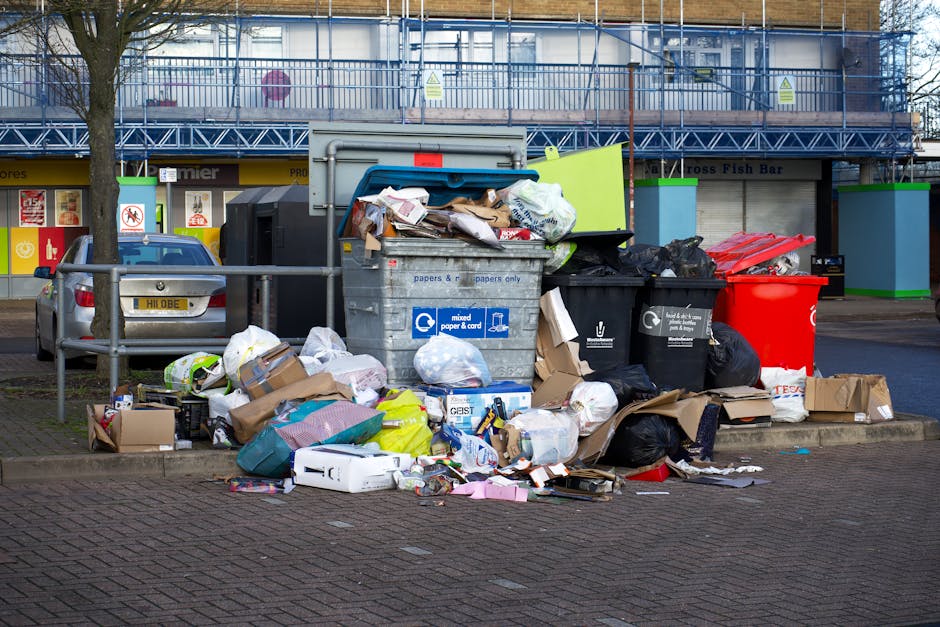
Commercial waste removal in Brockley helps businesses manage everyday rubbish, bulky clearances and sorted recyclables in a way that supports busy premises. Our service covers recurring collections and one-off removals for offices, shops, hospitality sites and other commercial settings that need waste taken away without disrupting work. The emphasis is on practical handling, clear communication and sensible sorting so that waste moves off site efficiently and with less operational friction.
We can support a wide mix of non-hazardous business waste streams, including general rubbish, cardboard, packaging, office contents and selected bulky items. Where a site produces mixed materials, we can separate suitable recyclables from the rest where this is practical and agreed in advance. If you need a straightforward way to organise disposal, you can start by listing the main waste types and the space they occupy, then ask for a quotation.
For businesses that want a clearer plan, the service can be shaped around access, timing and the kind of material being removed. Some premises need a regular collection pattern, while others only need a single clear-out after a refit, move or storage tidy-up. The aim is to match the collection method to the waste, the building and the working hours involved. See pricing and quotation details if you want to compare the next step before arranging a collection.
General business waste collections
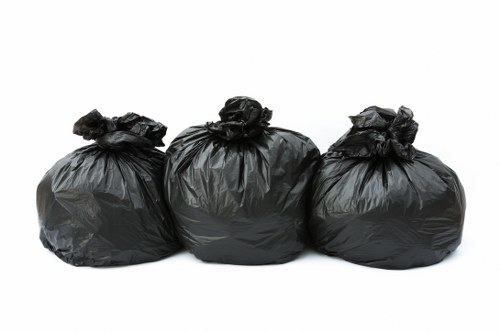
General business waste collections are suitable for everyday rubbish that accumulates in back areas, staff spaces, storage cupboards and customer-facing premises. Typical examples include bin bags, mixed light waste, packaging, outdated paper stock and other items that do not need specialist disposal. A good collection plan keeps these materials moving before they become awkward to store, and it helps premises stay organised without requiring staff to handle heavy lifting for long periods.
Where the volume changes from week to week, it is often best to agree a collection style that can flex with the workload. Offices and retail units may generate different waste at different times of year, while hospitality premises can see a larger amount of packaging and food-related refuse in short bursts. We can work with a one-off clearance or a recurring arrangement, depending on what the site produces and how often waste needs to leave the building. Explore business waste removal options for a fuller look at the service.
How the waste is assessed
Before removal, the waste is usually considered by type, access and approximate volume. That matters because a mixed load may need a different approach from a neat pile of cardboard or a few broken office items. If the site has steps, narrow corridors, basement rooms or controlled access points, those details can affect the handling method. A clear description of what is there helps the collection be organised with fewer surprises and a more accurate quotation.
Office clearances and workplace items

Office clearances often involve more than standard bin waste. Desks, chairs, shelving, filing units, packaging, old fittings and redundant equipment may all need attention when a workspace is being reorganised or reduced. Our office clearance work is designed to remove those items in a practical sequence, so the area can be made ready for cleaning, refurbishment or handover. Where possible, reusable or recyclable materials can be separated from general waste to keep the process tidy.
In many workplaces, a clearance needs to happen around staff schedules, deliveries and customer visits. That means access planning is just as important as the lifting itself. We can look at how the furniture is arranged, whether anything needs to be moved from upper floors, and whether there are items that should be left in place. If you are preparing a quote request, it helps to note the approximate number of items, any large units and the access route through the building. Read about office clearance if the job is mainly focused on workspaces and furniture.
Useful preparation can be simple: identify what is staying, what is going and whether anything needs separating first. If you have photographs or a short inventory, they can help with planning, but a brief written description is often enough for many straightforward jobs. The point is not to create extra admin; it is to make the collection more predictable and to reduce back-and-forth before the work is booked. Request a quotation when you are ready to outline the job.
Bulky items, furniture and appliance disposal
Commercial waste removal also covers bulky items that are awkward to move through a working premises. That can include tables, cabinets, display units, reception furniture, mattresses, fridges or other large objects that no longer belong on site. These items often need careful handling because of their size rather than their weight alone. The service is useful when storage areas need to be reclaimed, or when a business is replacing outdated fittings in stages rather than all at once.
Some bulky items are better treated as separate streams, especially where an item contains mixed materials or may require special disposal arrangements. For example, fridges and certain electrical appliances are handled differently from plain wooden furniture, and mattresses or sofas can follow a distinct route from smaller loose waste. If your premises has a mixture of these items, it is sensible to describe them individually rather than as one broad pile. See fridge and appliance removal for one category of bulky item.
- Office furniture and shelving
- Reception desks and waiting-area seating
- Appliances and selected electrical items
- Mattresses, sofas and other large soft furnishings
Specialist clearances for business spaces
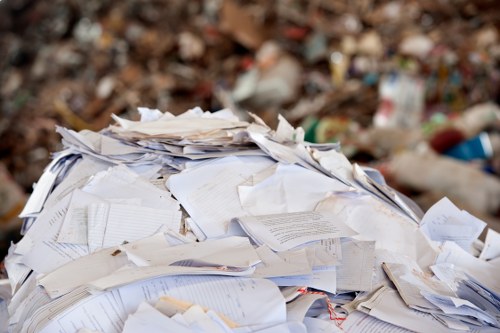
When a business area needs to be emptied rather than simply tidied, a more complete clearance approach can be useful. This may involve stockrooms, back offices, storage spaces, utility areas or premises that have accumulated redundant items over time. The work can cover a mixture of furniture, loose waste, shelving, packaging and miscellaneous items, provided the materials are suitable for the agreed disposal route. The benefit is a cleaner, more usable space without the need for the business to break the work into several separate jobs.
Some clearances are closely linked to property changes such as a refurbishment, relocation or closure of a section of the building. Others arise because a room has become difficult to use due to forgotten items, broken furniture or old stock. In either case, the key decisions are usually what should stay, what should be removed first and whether the access route allows larger items to come out without damage. Review home clearance if you also need to compare a broader emptying service for domestic-style contents.
Where the material is mostly furniture, a simpler furniture-focused removal may be enough. Where the room contains a wider mixture, a full clearance is usually the better fit because it avoids treating each object as a separate task. If you need a clear next step, list the room, the main items and the access points, then ask for a quotation that matches the actual volume and mix of waste. Book online if you want to move straight to an organised request.
Sorting, recycling and disposal choices
Not every load should be treated the same way. Good commercial waste removal depends on separating materials where sensible, so the collection can follow the most suitable disposal route. Cardboard, paper, metal, certain plastics, furniture, appliances and mixed rubbish may each need different handling, even when they come from the same premises. This approach can make the process more orderly and helps the collection remain focused on the correct waste type rather than on a catch-all pile.
Recycling and disposal decisions are often influenced by what the site generates most often. A retailer may have a steady flow of packaging, while an office might produce more paper and broken furniture, and a workshop-style business may have heavier mixed waste. When the material mix is known in advance, it is easier to decide whether a single load is suitable or whether the waste should be divided by stream. Read about recycling and sustainability for the related approach to material handling.
Supported disposal choices also depend on what the item actually is. A sofa, a mattress and a fridge are all bulky items, but they are not necessarily treated in the same way. Likewise, general commercial rubbish is not the same as confidential paperwork or potentially hazardous waste. If you are unsure how to describe the load, it is better to name the main groups and ask for guidance than to overcomplicate the request. That keeps the quotation accurate and avoids unnecessary confusion.
About Brockley
Brockley is a district in the London Borough of Lewisham in south-east London, known for its mix of residential streets, local shopping frontages and strong rail connections. The area includes Brockley station and several other nearby stations that link it with central London and surrounding parts of the city, which has helped shape its role as a settled urban neighbourhood rather than a purely commercial centre. Much of Brockley is characterised by late Victorian and Edwardian housing, giving many streets a consistent architectural appearance with brick terraces, bay windows and tree-lined frontages. The conservation area around parts of Brockley has helped preserve this character, and the local street pattern still reflects the growth of suburban London in the nineteenth century. The district also sits close to green space, including Hilly Fields, a well-known open area used for walking, informal sport and wider views over the city. Brockley’s relationship with nearby New Cross, Deptford and Lewisham contributes to a varied local identity, while the Overground and other rail links reinforce easy movement across south-east London. Cultural life in the area has often been associated with independent cafes, community activity and local arts venues, adding to the sense of a neighbourhood with both residential depth and everyday urban activity.
Clearances for garages, lofts and storage areas
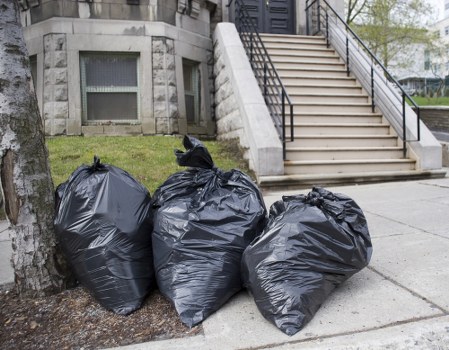
Commercial premises are not the only places that accumulate unwanted materials. Garages, lofts, storage cupboards and utility areas can also become crowded with old stock, boxes, broken fittings and items that no longer serve a purpose. A clearance service for these spaces is useful when a business wants to restore access, improve storage or remove clutter before maintenance takes place. Because these rooms are often awkwardly arranged, a practical plan for moving items out matters as much as the disposal itself.
Spaces like lofts and garages can hold a surprising mixture of waste types, from lightweight packaging to older furniture and forgotten equipment. The condition of the space may affect how the work is done, especially if access is narrow, stair-based or partly obstructed. It is usually better to describe the room and the main contents rather than trying to estimate every single object. If the storage area contains items that need their own route, those should be mentioned separately so the collection method can be matched more carefully. Find out about garage clearance if that is the closest fit for your job.
Where the contents are mostly household-style or mixed stored items, loft clearance or furniture clearance may be more appropriate than a general rubbish visit. Choosing the most accurate service label helps keep the quotation focused on the right workload. If the clearance also includes broken or redundant office pieces, that can be included in the same request as long as the details are clear enough for assessment. The aim is to remove unnecessary objects without turning the enquiry into a long list of guesswork.
What a quotation usually depends on
Pricing for commercial waste removal is usually shaped by the type of waste, the amount involved and the conditions on site. A light load of bagged rubbish is not the same as several bulky items or a mixed clearance from a cramped upper floor. Access matters too, because stairs, distance from loading points, limited parking or security procedures can change the time and handling required. When the scope is clear, the quotation can be matched more closely to the actual work rather than to a vague estimate.
There are a few practical details that are worth including when you ask for a price. These details do not need to be written as a formal report; a short note is often enough. Helpful information includes:
- The main waste type or types
- Approximate volume or number of items
- Whether there are stairs, lifts or tight access points
- Any bulky, heavy or specialist items
- Preferred timing or site restrictions
Hazardous and sensitive waste decisions
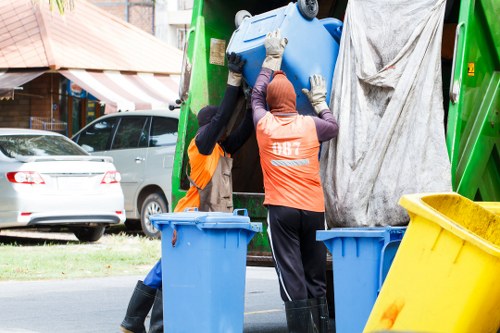
Some materials need more care than ordinary commercial rubbish. Items that may fall into a hazardous category, or that contain sensitive information, should not be mixed casually with standard waste. These cases need a separate review so the collection method and disposal route are suitable for the material involved. That can include certain chemicals, contaminated items, confidential documents or other waste that requires a specific process rather than a general clearance.
Where documents are the main concern, a dedicated confidential shredding service may be more appropriate than ordinary disposal. Likewise, hazardous waste should be identified clearly before any collection is arranged, because the handling rules differ from day-to-day business rubbish. If you are not sure whether a material needs a special route, describe it plainly and ask for it to be checked. See confidential shredding for document-related disposal, and use a separate enquiry for anything that may need specialist handling.
For most routine business collections, the process stays straightforward: identify the main waste, note any awkward access and request a quotation based on the actual load. That keeps the service practical for offices, shops and other premises that want a tidy, dependable way to clear unwanted material. If you are ready to move forward, send the basic details today and ask for a quote that reflects the work, the location and the items to be removed.